A beginners' guide to wine terminology: Eight essential wine tasting terms

4 November 2019

The special terminology associated with wine tasting can seem baffling to beginners. But although it might sound like wine experts are speaking a different language, mastering the basic wine tasting terms doesn’t have to be tricky.


“Do you like your wines fruity on the nose or full-bodied with good legs?”


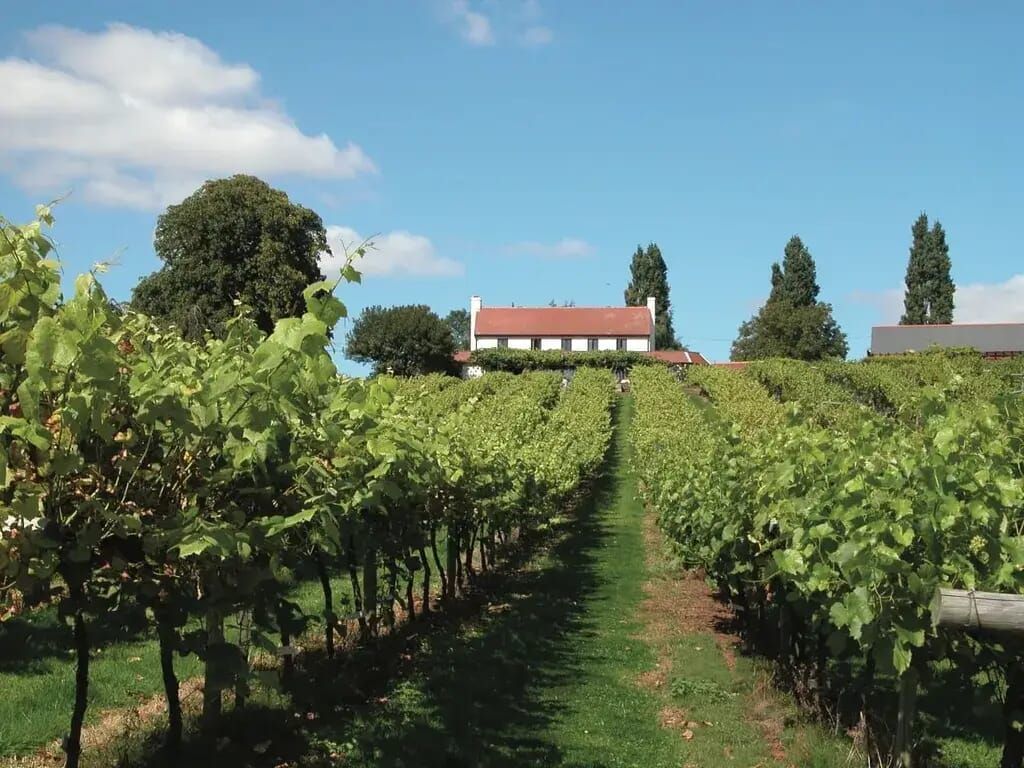
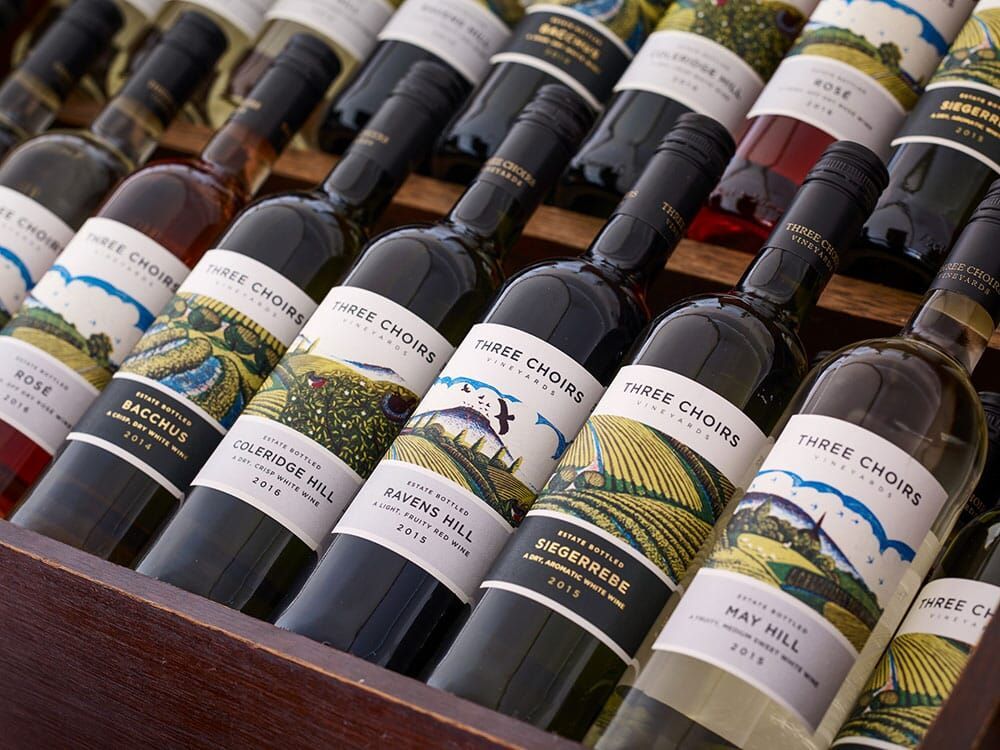
Getting to grips with wine terminology gives you a way to describe what you do and don’t like in a wine, as well as helping you decipher wine reviews and bottle descriptions so you know what to expect if you come across more unusual grape varieties – like the Bacchus and Siegerrebe we produce here at Three Choirs Vineyards in Gloucestershire.


So to get you started, we’ve come up with eight of the most important wine tasting terms to help boost your confidence with choosing wine and make the most of a wine-tasting experience.

Eight essential wine tasting terms

1. Nose


Although it might be tempting to go straight in for a taste, take the time to swirl the wine around your glass and give it a sniff first. A wine’s nose is its aroma, and your nose is the key to picking up the subtle differences in flavour between different wines. Aromas are often split into fruity, citrus, floral, spicy, earthy and vegetal categories, and will depend on the grape variety as well as how the wine has been made and stored.


2. Body


The body of a wine is how it feels in your mouth – it can be full, medium or light and depends on how much alcohol and sugar the wine contains. One of the common analogies is to compare a wine’s body to different types of milk – so light-bodied wines would feel delicate like skimmed milk, medium-bodied wines like semi-skimmed and full-bodied wines thick like full cream milk.


3. Acidity


Acidity is the mouth-watering sharpness you get from a sucking a lemon. All wines have some level of acidity, but it’s usually higher in white wines like Sauvignon Blanc. 


How acidic a wine is will depend on how ripe the grapes were, with cool climates usually meaning more acidic wines. Ideally, wine-makers look to combine levels of acid and sugar to make a well-balanced wine.


4. Tannins


Tannins are what cause some wines to leave a dry taste in your mouth, and are also found in tea. They come from the skin and seeds of grapes. How ‘tannic’ a wine is depends on how long it was in contact with the skins when it was being made. So white and rosé wines have low tannins and are softer, whereas thick-skinned grape varieties, like Cabernet Sauvignon, have more tannins, making them good with rich food as they cut through any fattiness.


5. Oaky


Oaked wines have been aged in oak barrels, which influences their colour and flavour. Oak is more commonly used with red wines like our Hampshire Oak Aged Red, and it can give a smoky or spicy flavour, but it can also be used to give white wines a buttery, vanilla taste. How strong the effect is depends on how long the wine’s been in contact with the oak as well as the type of oak used – American oak gives a punchier flavour than smoother French oak.


6. Minerality


Minerality has become a popular wine-tasting term recently, and it’s sometimes described as the taste you’d get from sucking on a stone. You don’t have to try that out yourself though to recognise flavours like chalk, flint or even pencil lead in your white wines – think of it as the opposite of lush, fruity flavours.


7. Legs


If you swirl your wine around the glass, the legs (also known as the tears in France) are the streaks you can see running down the side of the glass. More legs doesn’t mean the wine is a higher quality, but it does means it’s got a higher alcohol content. The sweeter the wine the slower the legs will move down the glass.


8. Vintage


The vintage of a wine is simply the year when the grapes were picked. Most still wines come from a single year, which you’ll see marked on the bottle. But sparkling wines are often non-vintage – like our Classic Cuvee – as they’re created from a mixture of different years’ wines to create a consistent style. Though sometimes you’ll see vintage sparkling wines if there’s a particularly good year.

Wine Tours and Tastings at Three Choirs Vineyards

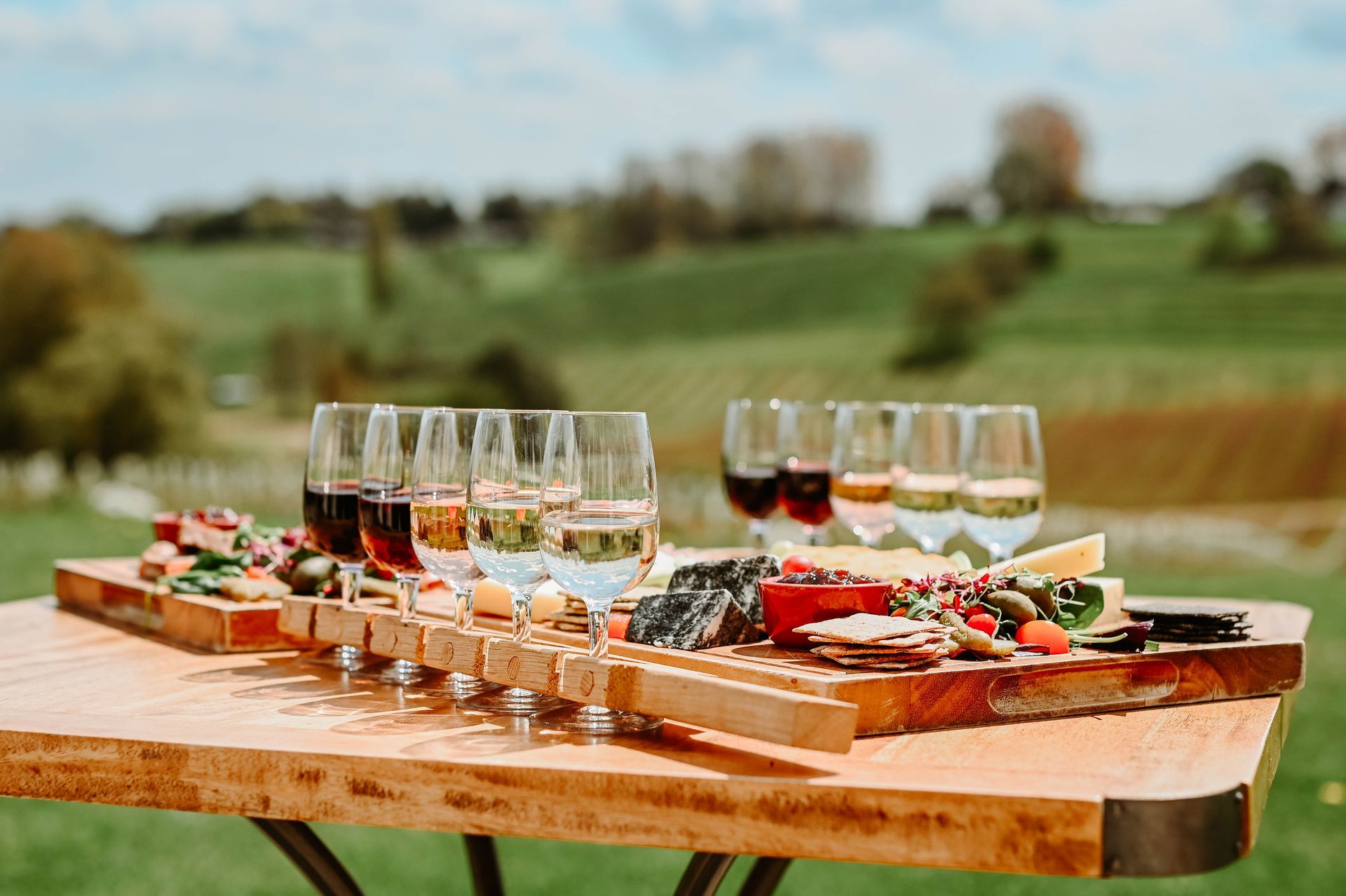
Now you’ve mastered these eight essential wine words, why not try them out on one of our English wine tasting experiences and tours, where our friendly, knowledgeable guides will be more than happy to answer any questions you might have.

WINE TASTING EXPERIENCE ➝

More from our blog...

25 November 2025
With the festive season just around the corner, thoughts turn to Christmas dinner, parties and celebrations. And whether you’re getting the party started or relaxing in front of the TV on Christmas Day evening, you may want to enjoy the festivities with a glass or two of wine. But how do you choose your wine for Christmas? Well the good news is, while you might want to splash out and choose something a bit more special than your usual tipple, there are no rights and wrongs when choosing wine for Christmas. Thomas Shaw, managing director of Three Choirs Vineyard, said: “Don’t feel as though there are any rules to follow. The most important thing is to drink what you enjoy. If you don’t enjoy red wine, don’t drink red wine, drink white instead!” Some people like to enjoy sparkling wine on Christmas Day. When it comes to sparkling wine, people tend to fall into two camps – those who love it and will drink it on every occasion and those who really don’t like it! If you’re someone who isn’t keen on sparkling wine, but you’ve got guests coming round who might enjoy a glass of something fizzy before Christmas dinner, there are a range of options. Thomas continued: “There’s no need to go crazy and buy something expensive. There is a big range of prices from Cava and Prosecco up to top of the range Champagne, so you can spend as much or little as you want. “If you’re going to mix it with orange juice for buck’s fizz, definitely buy something cheaper!” While it’s not usual to have sparkling wine with your Christmas dinner, if you or your guess fancy some fizz with your turkey, just go for it! Alternatively, you might want to enjoy a refreshing white wine at lunchtime, then move to drinking red wine in the evening. Red wine is served warmer and feels like something to be enjoyed when you’re wrapped up warm in front of the fire. But there are no rules that say you have to move from white to red if you don’t want to and there are no rules which tell you exactly when you should make that change. Just do what feels right for you and don’t worry about what anyone else thinks! Whether you’re looking for red, white or sparkling for Christmas, if you want some advice and good value for money, go to a local independent wine retailer. They know all the wines on their shelves and should be able to help you choose something which is just right for you, your family and friends. Don’t be scared to ask for help! Most people will know the names of some popular wines, but won’t know, for example, whether a particular year was a good year. Asking someone who knows wines can be a real help when you are faced with so much choice. In the run-up to Christmas, local wine merchants and vineyards will sometimes hold evenings where you can go along and taste some wines to help you choose. It’s true that the price of a bottle of wine does generally reflect its quality, so when you go to a wine merchant, have a realistic budget in mind and try to stick to it! Unfortunately, wine has got more expensive in recent years, due to poor harvests in Europe, as well as inflation and the rising costs of energy and labour. Because the Christmas period is more than just one day, if you’re interested in trying new wines and finding out more about them, it is a great opportunity to learn more about what you like. Thomas said: “If you buy several different wines and taste them over a few days over Christmas, hopefully you will really like one or two of them. Having a variety over a short period of time means you’re less likely to forget what you like and what you were less keen on. And it’s good fun!” Could there be a better way to choose your wine for Christmas? 
20 October 2025
After the earliest harvest on record, brought about by the warm summer, the last grapes of 2025 were picked here at Three Choirs Vineyard on 9th October. The harvest is the biggest and most important event every year on the vineyard calendar. And the key thing for us is the quality of fruit, rather than the quantity. Thomas Shaw, managing director of Three Choirs Vineyard, said: “If we have a lot of fruit, we generally don’t get such good quality. This year we’ve got very good quality grapes! “It’s not such a good year for making sparkling wines because the acidity in the grapes was low due to the high temperatures, but 2025 is an excellent year for making still wines.” Now the grapes have all been picked and pressed, they are in tanks in the winery and fermentation is taking place. By the end of November or early December, fermentation should be complete, and the winemakers will start to taste the individual tanks and decide how that wine is going to be used – whether it is going to be a blend or a single variety. Those decisions will be made before Christmas this year, rather than afterwards, as is often the case.
Harvesting grapes at Three Choirs Vineyard
29 September 2025
Last month, we told you all about our plans and hopes for harvest at Three Choirs Vineyard. Now, a few weeks on, we can tell you all about how successful it was. Harvest 2025 was the earliest harvest on record for us, after a very dry and consistently warm summer. We started picking two weeks earlier than usual and will finish picking three weeks earlier, at the start of October. Some years, when we’ve had a very late harvest, it has lasted almost until December. But this year has been a fast and furious harvest! We’ve had a bit of rain during September. This can prove problematic during harvest, but we’re pleased to say it was nothing disruptive this year. In fact, the weather has stayed perfect through to the end of September, to keep the grapes in good condition. The positive news is that it wasn’t just an early harvest – it was a good one, with very high quality grapes. The 2025 wines which will start to come out in the middle of next year should reflect that. 
28 August 2025
As August draws to an end, the team at Three Choirs Vineyard are gearing up ready for our harvest. But when is the right time to pick the grapes? We don’t have a definite set date for the annual harvest; it all depends on the weather. This year, it looks likely to start a bit early – probably in the first week of September - because of all the good weather we’ve had this summer. That is about 10 days to two weeks earlier than usual. As the climate is changing, the trend is towards picking earlier than we used to. But the harvest still takes the same amount of time. Generally, we would expect the harvest to last for about 10 weeks, but this will depend on what the weather is like and the quantity and quality of grapes on our vines. Here at Three Choirs, we have 14 different varieties of grapes, and they all ripen at slightly different times. The first grape we will pick is Siegerrebe, which is a pinky orange colour when ripe. Siegerrebe makes a white wine, because, as with most grapes, all the colour is in the skin and not the juice inside. Siegerrebe takes 76 days from flowering until the fruit is ready to pick. The timing really is as specific as that! All of the grape varieties have precise timings, although some of them are longer than others. Thomas Shaw, managing director, said: “It’s been a good year, with lots of sunshine. The grapes are fairly small, but that means they should have a nice concentration of flavours and sugars, which is what we need. We don’t need big fat grapes like you get in the supermarket, because they’re full of water.” It hasn’t just been a warm, sunny year, it has been a very dry one too. Will that affect our harvest? Thomas continued: “There was a lot of moisture in the ground early in the year. The roots of our vines go down 12 to 15 foot, so there is still enough moisture down there for them. “Grapes are different from other crops. Some farmers have been struggling this year because their crops have very small roots, and the ground is far too dry for them.” Picking is all done by hand. Fruit is picked and pressed on the same day. Thomas said: “To maximise the quality, we don’t pick when it’s rainy. If it’s raining, we can get a lot of wet fruit into the winery, which dilutes the wine.” So here’s hoping for a dry harvest! Early indications are that 2025 will be a successful year for grapes at Three Choirs. Flowering in late June and early July is a key time for our harvest, and the weather was just what we needed at that time. September and October will be the final decider if 2025 is a good quality year for our wines.
A lady sipping wine from a glass. Wine Tasting at Three Choirs Vineyard
7 July 2025
New to wine tasting? It’s for everyone! Learn why there’s no right or wrong and get tips to find wines you’ll love from Three Choirs Vineyard.
27 June 2025
Three Choirs Vineyards was recently featured in the national media. Not only was it named in the feature 11 of the best vineyard stays in the UK in The Times online, it also had an entire feature devoted to it in the Express online and appeared in the world’s longest running women’s magazine. The People’s Friend is a weekly magazine full of lifestyle, cooking and gardening features, along with short stories and fiction serials. Ahead of English Wine Week (21st to 29th June), we were featured in an article highlighting three UK vineyards – Aldwick Estate in Bristol, Chet Valley Vineyard in Norfolk and, of course, Three Choirs Vineyards, right here in Gloucestershire. The article said there are more than 1,000 vineyards in the UK and that winemaking is one of the fastest growing sectors of agriculture. We’re pleased to say that The People’s Friend said Three Choirs is a ‘top-drawer example’ of an English vineyard, producing around 250,000 bottles a year. The article quotes our managing director, Thomas Shaw, who said: “Three Choirs Vineyard’s focus is the quality of the wines and the visitor experience.” He added: “As the climate changes, more and more varieties can be grown in the UK.” The article shared that most of our wine is sold direct to customers online, to wine merchants or consumed by guests at our brasserie at the vineyard, with a small number of bottles sold to Waitrose. The People’s Friend chose one favourite wine from each of the three producers featured. Its choice from Three Choirs was the Coleridge Hill 2023 – a dry white wine produced from Madeleine Angevine and Phoenix grapes. The magazine said: “With its fresh fruity aromas, especially apple, it’s zesty on the palate thanks to the ripe fruit flavours, and offers a long, crisp finish.”